Reviewing Xmas Ball Clipart for Holiday Embroidery
As we approach the busiest season for handmade goods, the pressure to deliver high-quality, visually striking products increases. I recently spent time evaluating Xmas Ball Clipart Christmas Ball Clipart to determine its viability for real-world embroidery projects. This is not just about whether an image looks pretty on a screen; it is about how those lines and shapes translate into thread, tension, and texture on actual fabric. For Etsy sellers, boutique owners, and independent designers, understanding the practical application of these Illustrations is crucial before committing to production runs or client orders.
First Impressions and Visual Personality
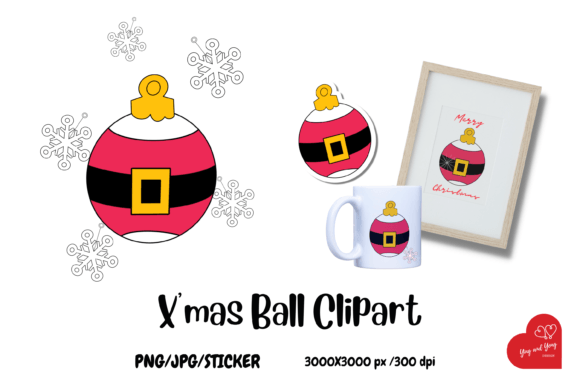
The immediate appeal of Xmas Ball Clipart Christmas Ball Clipart lies in its classic holiday aesthetic. The design captures the essence of traditional Christmas decor without feeling overly cluttered. When I first opened the files, I looked for clean lines and balanced proportions. In embroidery, complex gradients and tiny details often get lost in the stitching process. This design, however, appears to have a layout that respects the limitations of needle and thread. The visual personality is warm and nostalgic, making it an excellent candidate for products that aim to evoke comfort and tradition.
The mood created by this clipart is distinctly festive yet versatile. It does not scream for attention with chaotic elements but rather offers a steady, recognizable symbol of the season. This makes it suitable for a wide range of demographics, from young families looking for baby items to adults seeking sophisticated holiday home decor. The level of detail seems appropriate for standard machine capabilities, avoiding the pitfalls of excessive density that can puckers fabric or break needles.
Real-World Application: The Custom Tote Bag Test
To truly judge a design, you must imagine it stitched out. I visualized using Xmas Ball Clipart Christmas Ball Clipart on a heavy canvas tote bag. This is a popular item for holiday gift-giving and grocery runs during the festive season. The spherical shape of the ornament provides a natural focal point on the flat surface of the bag. Because the design is centered and symmetrical, it anchors the product visually.
In this scenario, the choice of thread colors becomes critical. A metallic gold or silver thread could mimic the shine of a real glass ornament, adding a touch of luxury to the handmade product. Alternatively, using matte cotton threads in red and green would create a rustic, farmhouse-style appeal. The design’s structure supports both approaches. For an Etsy seller, this versatility means you can market the same digital embroidery file to different customer segments by simply changing the thread palette in your product photos.
Beyond tote bags, this design performs well on sweatshirt embroidery. Placed on the left chest or as a larger back print, the Christmas ball motif adds a subtle holiday touch to casual wear. It avoids the "costume" look that some holiday apparel suffers from, leaning instead toward everyday wearable art. This increases the perceived value of the custom apparel, as customers are more likely to wear it beyond December 25th.
Navigating Fabric and Hoop Constraints
While Xmas Ball Clipart Christmas Ball Clipart is robust, it requires careful consideration regarding fabric texture and hoop size. Embroidery is a tactile medium, and the outcome depends heavily on the substrate. For instance, if you are working with thin or stretchy fabric, such as a lightweight t-shirt or a baby onesie, stabilizer selection is non-negotiable. A cut-away stabilizer would provide the necessary support to prevent the stitches from pulling the fabric out of shape, especially if the design utilizes fill stitch areas.
Curved surfaces present another challenge. If you plan to use this design on caps or hats, you must ensure the hoop size accommodates the curvature without distorting the circular shape of the ball. A distorted circle looks unprofessional and can detract from the quality of the finished product. I recommend testing the design on scrap fabric that mimics your final product. This allows you to check stitch density and adjust tension settings before committing to expensive garments.
Detailed corners and tiny elements can also be problematic in embroidery. While this clipart appears clean, always zoom in to inspect the smallest components. If there are intricate highlights or reflections depicted in the illustration, consider whether they need to be simplified for smaller hoop sizes. Sometimes, converting a detailed area into a satin stitch border rather than a dense fill can improve clarity and reduce bulk. This is particularly important for embroidered patches, where the edge definition needs to be sharp for cutting and application.
Enhancing Brand Consistency and Customer Trust
For small shop owners and creative entrepreneurs, consistency is key to building brand recognition. Using high-quality design assets like Xmas Ball Clipart Christmas Ball Clipart helps maintain a professional appearance across your product line. Whether you are creating pillow covers, tea towels, or aprons, a cohesive visual theme signals attention to detail. Customers associate this professionalism with reliability, which fosters trust and encourages repeat business.
The visual appeal of the finished product directly impacts buyer engagement. In online marketplaces, customers cannot touch the item, so they rely on images. A well-stitched design with clear lines and vibrant thread colors stands out in search results. Using this clipart in printable mockups can help you visualize how the final product will look on different backgrounds. Comparing light and dark fabric options in your previews allows customers to make informed decisions, reducing return rates and increasing satisfaction.
Practical Notes for the Embroidery Designer
Before launching any commercial embroidery project involving Xmas Ball Clipart Christmas Ball Clipart, there are several technical steps you should take. First, verify the license terms. Ensure that the design assets allow for commercial use if you intend to sell finished items or digital products. Intellectual property respect is fundamental to a sustainable craft business.
- Test on Scrap Fabric: Always run a test stitch-out to check for thread breaks or nesting issues.
- Check Thread Contrast: Ensure your thread colors stand out against the fabric background for maximum visibility.
- Review Stitch Density: Adjust density if necessary to prevent puckering on delicate fabrics.
- Confirm Hoop Size: Make sure the design fits comfortably within your available hoop dimensions.
- Inspect Small Details: Simplify any elements that may not stitch out clearly at smaller sizes.
- Use Proper Stabilizer: Match the stabilizer type to the fabric weight and stretch.
Additionally, consider how the design looks in black and white. This helps you evaluate the contrast and shape integrity without the distraction of color. If the design holds up in monochrome, it will likely perform well in color too. This technique is useful for assessing the structural soundness of the embroidery file before production.
Final Verdict on Holiday Viability
In conclusion, Xmas Ball Clipart Christmas Ball Clipart offers a solid foundation for holiday embroidery projects. Its balanced composition and classic theme make it adaptable to various products, from baby clothes to home decor. By paying attention to technical details like stabilizer choice, thread selection, and fabric compatibility, designers can transform this digital asset into a high-value handmade product. For the serious maker, this design represents an opportunity to create memorable, professional-grade items that resonate with customers during the festive season. Always remember to check specific file formats and machine compatibility with your provider, as these technical specifics will dictate your workflow efficiency.