Reviewing the Christmas Gnome Tree Clipart for Embroidery
As a designer who has spent countless hours digitizing and testing machine embroidery design files, I have learned that not every cute illustration translates well to thread. When I first pulled up the Christmas Gnome Christmas Tree Clipart, my initial reaction was one of cautious optimism. The whimsical nature of gnomes paired with holiday greenery is a perennial favorite in the craft world, but the devil is always in the details. For those of us running a craft business or selling on Etsy, the difference between a bestseller and a return often comes down to stitch quality and visual clarity.
First Impressions and Visual Personality
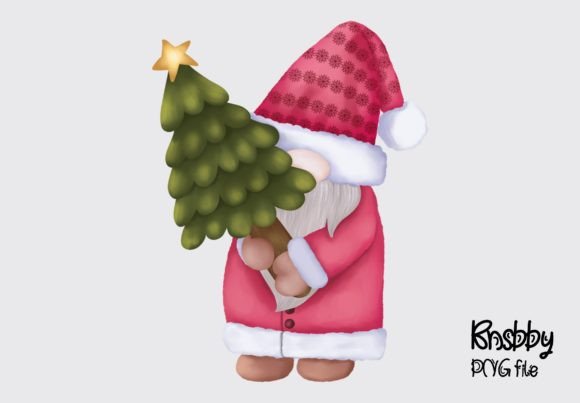
The mood of this specific Illustrations piece is undeniably cozy. It captures that rustic, Scandinavian-inspired hygge vibe that customers love during the winter season. Visually, the layout balances the rounded, soft shapes of the gnome’s hat and beard with the more angular, organic lines of the tree branches. From a digitizer’s perspective, this contrast is interesting. Soft curves usually require smooth satin stitch work or careful column stitching to avoid puckering, while the tree elements might benefit from a mix of fill stitch for density and running stitch for outlining delicate needles.
What stands out immediately is the potential for color play. This design does not rely on hyper-realism, which is a blessing for embroidery. Instead, it leans into stylized charm. This means we have flexibility with thread colors. We are not locked into one specific shade of red for the hat or green for the tree, allowing us to customize the embroidery project to match specific brand palettes or seasonal trends.
Real-World Application: The Holiday Tote Test
To truly evaluate the Christmas Gnome Christmas Tree Clipart, I imagined applying it to a real-world product: a heavy canvas tote bag design. This is a staple item for any Etsy seller during Q4. On a sturdy fabric like canvas or denim, the design holds its own. The weight of the fabric supports the stitch count, preventing the dreaded pull-and-pucker effect that ruins so many handmade product listings.
In this scenario, the gnome serves as the focal point. If I were producing this for a boutique, I would position the design slightly off-center on the front panel. The visual weight of the tree balances the gnome’s height, creating a composition that feels grounded. Customers reacting to this on a shelf or in a digital mockup are likely to perceive it as high-quality because the lines appear clean and intentional. It does not look like a generic clip-and-paste job; it looks like a thoughtfully placed personalized gift option.
Apparel and Custom Sweatshirts
Moving from bags to apparel, let’s consider sweatshirt embroidery. Here, the texture of the fleece or cotton blend changes the game. The Christmas Gnome Christmas Tree Clipart works well here, provided we manage the stitch density. Sweatshirts are thick, but they are also stretchy. If the design is too dense, it can become stiff and uncomfortable against the skin, or worse, cause the garment to warp after washing. I would recommend using a cut-away stabilizer to ensure the design remains stable over time, especially if this is intended as a heirloom-quality holiday embroidery piece.
For custom apparel like t-shirts, caution is required. If the original clipart features large solid areas of color, converting these directly to fill stitches might be too heavy for a lightweight tee. In such cases, considering an applique design approach could be smarter. By using fabric pieces for the gnome’s hat or body and only stitching the outlines and details, we reduce bulk and maintain the breathability of the shirt. This technique also adds a tactile dimension that buyers often appreciate in higher-end small shop product offerings.
Navigating Technical Challenges
While the aesthetic is strong, there are areas where the Christmas Gnome Christmas Tree Clipart requires careful handling. One common pitfall with gnome designs is the beard. If the beard features intricate swirls or very fine details, these can get lost in the stitching process. Thread has thickness; it cannot replicate the pixel-perfect precision of a digital vector. I advise checking the smallest details in the design file. If the beard tips are too thin, they may break or look messy. Simplifying these areas or increasing the line weight in the digitizing phase is crucial for a professional finished product.
Another consideration is the hoop size. Ensure that the entire design fits comfortably within your chosen hoop with adequate margin for stabilization. Trying to cram a complex design into a small 4x4 hoop can lead to registration errors, where the different color layers do not align perfectly. Always test the design on scrap fabric first. This allows you to check thread tension and color contrast without risking expensive garment stock.
Dark fabrics present another challenge. If you are stitching this on a navy or black background, the green of the tree might lack contrast. In these instances, adding a subtle underlay or choosing a brighter, lime-leaning green thread can help the design pop. Testing your digital embroidery file in black and white mockups can also reveal if the value contrast is sufficient for the design to be readable from a distance.
Commercial Viability and Brand Consistency
For commercial embroidery professionals, consistency is key. The Christmas Gnome Christmas Tree Clipart offers a versatile asset that can be scaled across various products, from embroidered patch items to baby embroidery on onesies. However, before listing these items, confirm the licensing terms. Just because a file is labeled as clipart or an illustration does not automatically grant commercial rights for physical goods. Always verify if the license covers finished products or if it is limited to personal use.
Using this design effectively can enhance brand recognition. If your shop specializes in rustic holiday decor, this image aligns perfectly with that narrative. It builds trust because it feels authentic to the season. When customers see a cohesive collection featuring similar stylistic elements, they are more likely to engage with your brand. Whether used in printable mockup previews for digital sales or stitched onto physical kitchen towel gifts, the design serves as a touchpoint for quality.
Final Designer Notes
- Test on Scrap: Always run a test stitch-out on the actual fabric type you plan to sell. Fabric texture affects how threads lay down.
- Check Density: Review the stitch count and density settings. Reduce fill density for stretchy fabrics to prevent stiffness.
- Contrast Matters: Ensure your thread colors stand out against the fabric. Use a stabilizer that matches the fabric weight.
- Verify Licensing: Confirm that the design assets allow for commercial use if you intend to sell the finished items.
- Simplify Details: If small elements like tree needles are too fine, consider merging them or using a satin column instead of individual runs.
In conclusion, the Christmas Gnome Christmas Tree Clipart is a promising candidate for holiday production. It brings warmth and character to any project, but its success depends entirely on technical execution. By respecting the limitations of thread and fabric, and by making smart choices about placement and stabilization, you can turn this illustration into a standout holiday gift or a profitable addition to your seasonal inventory. Treat it not just as an image, but as a blueprint for texture and form, and your customers will feel the difference in every stitch.