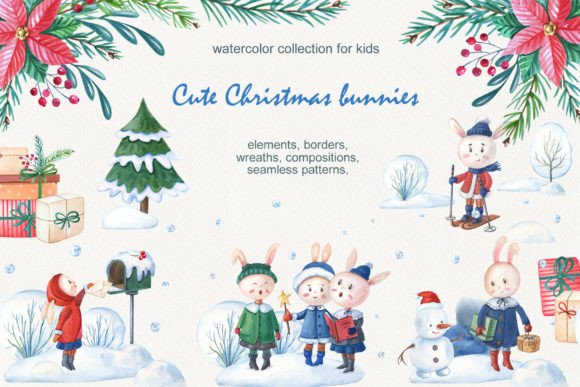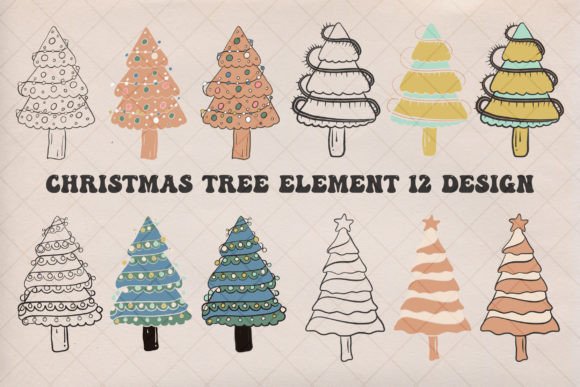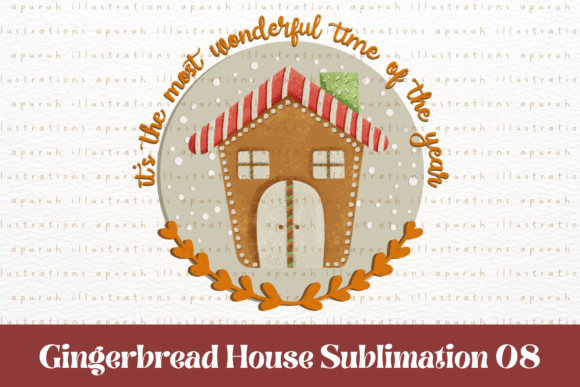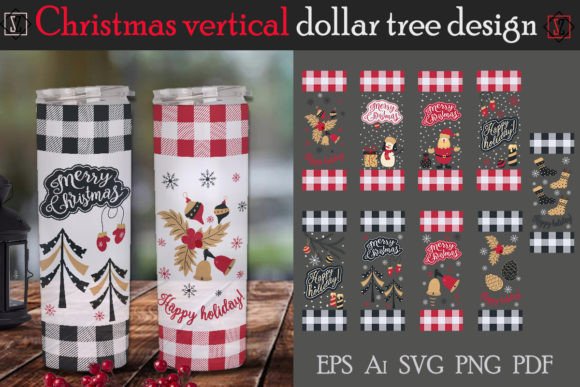
Reviewing Christmas Image. Sublimation Design for Stitching
As an embroidery designer who has spent years translating digital art into thread, I approach every new machine embroidery design with a mix of excitement and skepticism. We have all been there: you see a beautiful graphic online, purchase the digital embroidery file, and then watch in horror as it puckers, breaks needles, or loses its charm once stitched out. Today, I am taking a close look at Christmas Image. Sublimation Design. While the title suggests it is intended for sublimation printing, my goal is to evaluate its potential as a source for embroidery projects. Can this illustration translate well into thread? Let’s dig into the practical realities of using this asset in a real-world craft business.
First Impressions: Mood and Visual Personality
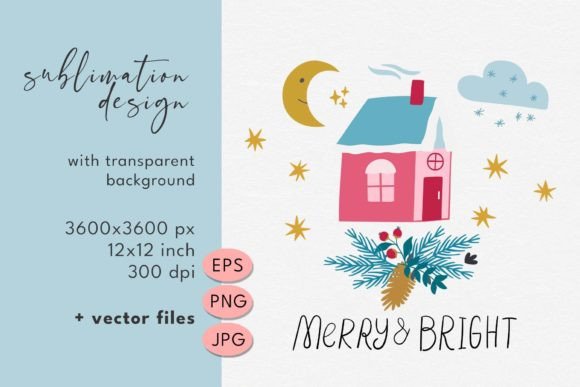
The first thing that strikes me about Christmas Image. Sublimation Design is its distinct visual personality. Belonging to the Illustrations category, it carries a mood that is both festive and refined. It does not rely on the chaotic, clip-art style aesthetics that often plague holiday designs. Instead, it offers a cohesive layout with a clear focal point. For an embroiderer, this is crucial. A cluttered design is a nightmare to digitize and stitch, but a clean, well-balanced illustration provides a solid foundation.
The shape and theme suggest warmth and nostalgia, making it an ideal candidate for holiday-themed goods. When I visualize this design stitched out, I imagine it working beautifully on home decor items or cozy apparel. The level of detail appears moderate—enough to be interesting, but not so dense that it requires hours of machine time or excessive thread consumption. This balance is key for any Etsy seller or small shop product creator who needs to manage production costs while maintaining high perceived value.
Real-World Application: From Screen to Fabric
To truly test the viability of Christmas Image. Sublimation Design, I mentally place it into several common embroidery project scenarios. Imagine preparing a custom tote bag design for a holiday market. Canvas is a sturdy fabric that handles stitch density well. If this design were digitized with appropriate fill stitch patterns, it would anchor the bag nicely, providing a professional finish that customers appreciate.
Another strong use case is sweatshirt embroidery. Holiday sweatshirts are perennial bestsellers. However, fleece and cotton blends can be tricky. If the design has large solid areas, it might feel stiff against the skin. In this case, adapting the design into an applique design could be a smart move. By using fabric patches for the larger shapes and reserving embroidery for the outlines and details, you reduce bulk and improve comfort. This technique also speeds up production, a vital factor for anyone running a commercial embroidery operation during the busy Q4 season.
For baby embroidery projects, such as onesies or blanket borders, the softness of the thread and the gentleness of the design matter. If Christmas Image. Sublimation Design features soft curves and avoids sharp, jagged edges, it translates well to nursery decor. Parents love personalized, handmade items, and a well-executed holiday motif can turn a simple garment into a cherished personalized gift.
Technical Considerations and Stitching Clarity
While the aesthetic appeal is strong, we must discuss the technical execution. Since this is originally a sublimation design, it is likely a raster image or a vector graphic not optimized for stitching. You cannot simply import this file into your embroidery software and expect magic. You will need to digitize it carefully or hire a professional digitizer.
Pay close attention to stitch density. Sublimation prints can handle infinite color gradients and tiny details, but embroidery cannot. Tiny lettering or intricate corners may get lost or cause thread breaks. I recommend simplifying some of the finer elements. Use running stitch for delicate outlines and satin stitch for borders that need to pop. Ensure that the transition between colors is smooth to maintain stitching clarity.
Thread colors play a massive role in how this design performs. Sublimation allows for millions of colors, but embroidery relies on a limited palette. Choose high-quality threads with good sheen to enhance the visual appeal. Test your color choices on scrap fabric first. A design that looks vibrant on screen might look muddy if the contrast between thread colors is insufficient. Also, consider how the design looks in black and white. If the shapes hold up without color, the underlying structure is sound.
Fabric Compatibility and Hoop Constraints
Not every fabric is created equal. When using Christmas Image. Sublimation Design on textured fabrics, the stitches may sink into the pile, obscuring details. On stretchy fabrics like jersey knits, proper stabilization is non-negotiable. Without the right stabilizer, the design will distort, ruining the finished product. For curved surfaces like caps or hats, the design must be scaled appropriately to fit the hoop size without wrapping around the seams.
Dark fabrics present another challenge. If the design includes light colors, you may need an underlay of white thread to prevent the fabric color from showing through. This adds to the stitch count and production time. Always check whether the design works for both light and dark backgrounds before committing to a large batch of custom apparel.
Business Value and Customer Trust
Why does this matter for your craft business? Because quality builds trust. A sloppy embroidery job can damage your brand reputation, while a crisp, well-stitched design enhances brand consistency and customer trust. When a buyer receives a handmade product that looks professional, they are more likely to leave a positive review and return for future purchases.
Using a unique illustration like Christmas Image. Sublimation Design sets you apart from competitors who use generic, overused motifs. It adds a layer of exclusivity to your design assets. Whether you are creating an embroidered patch for a boutique brand or a holiday gift for a corporate client, the uniqueness of the design contributes to its perceived value.
Practical Designer Notes
- Test on Scrap Fabric: Never stitch directly on your final garment. Always run a test on the same type of fabric to check for puckering or thread breaks.
- Check Licensing: Before selling finished items or digital products, confirm the license terms. Ensure you have commercial rights to use the design in physical goods.
- Digitize with Care: If you are converting this sublimation design yourself, pay attention to pull compensation and underlay stitches.
- Mockups Matter: Use printable mockups to visualize the design on different products before stitching. This saves time and materials.
- Inspect Small Details: Zoom in on the design. Are there areas that are too small to stitch? Simplify them.
In conclusion, Christmas Image. Sublimation Design holds significant promise for creative entrepreneurs willing to put in the technical work. It is not a plug-and-play solution, but with careful digitizing and thoughtful application, it can become a standout piece in your holiday collection. Whether you are an experienced decorator or a hobbyist looking to elevate your Etsy listings, treating this illustration with respect for the medium will yield beautiful, profitable results.