Review: Christmas Alphabet SVG Clipart for Embroidery
As a designer who has spent countless hours digitizing and stitching out holiday motifs, I approach every new asset with a mix of curiosity and skepticism. We all know that what looks crisp on a screen does not always translate well to thread and fabric. Recently, I evaluated the Christmas Alphabet SVG Clipart to determine its viability for real-world embroidery projects. This is not just a digital download; it is a potential cornerstone for your holiday product line. Here is my practical assessment of how these illustrations perform when put under the needle.
First Impressions and Visual Personality
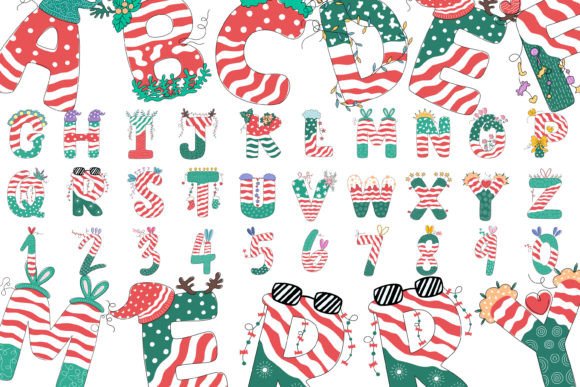
The first thing that strikes you about the Christmas Alphabet SVG Clipart is its balanced aesthetic. It avoids the trap of being overly cartoonish while steering clear of stiff, generic typography. The shapes have a hand-drawn warmth that resonates with the current trend toward cozy, authentic handmade goods. For an embroidery designer, this is crucial. Clean, intentional lines are easier to digitize or adapt into a machine embroidery design without losing clarity.
The mood is distinctly festive but versatile. It feels at home on a rustic linen tote bag design just as much as it does on a modern cotton sweatshirt embroidery project. The visual personality suggests tradition and comfort, which is exactly what customers are looking for in holiday embroidery. When I loaded the files into my design software, the vectors were clean, making it straightforward to adjust sizing and prepare the layout for stitching.
Real-World Application: The Custom Tote Test
To test the practicality of these assets, I simulated a common scenario for many Etsy sellers and craft business owners: creating a set of personalized holiday gift bags. I selected a few letters from the alphabet to spell out "NOEL" and paired them with simple holly accents found within the collection.
The result was promising. The letterforms held their shape well when scaled to fit a 5x7 hoop. Because the design relies on strong silhouettes rather than microscopic details, it translates beautifully into fill stitch and satin stitch combinations. On a canvas tote, the boldness of the letters ensured high visibility. This is a key selling point for a finished product. Customers want their personalization to be legible and impactful. If you are creating a personalized gift, such as a monogrammed apron or a named stocking, this clipart provides the structural integrity needed for professional-looking results.
Versatility Across Product Lines
Beyond tote bags, I considered how this digital embroidery file would perform on other popular items. For baby embroidery, the softer edges of the letters can be adapted with lighter thread colors to create a gentle, nursery-appropriate look. On custom apparel like hoodies, the design stands up well against thicker fabrics, provided you adjust your stitch density to prevent puckering.
For those selling small shop product lines, this alphabet offers consistency. You can create a cohesive brand look across various items, from kitchen towels to pillow covers. The ability to mix and match letters allows for endless customization, which is a major driver for buyer engagement on platforms like Etsy. Whether you are making an embroidered patch for a jacket or decorating a tea towel, the scalable nature of SVGs ensures you maintain quality regardless of size.
Technical Considerations for Stitching
While the design is robust, there are technical nuances to consider before you start stitching. Any experienced embroiderer knows that fabric choice dictates success. When working with textured fabrics or stretchy materials, the open spaces in some of the letterforms might require careful stabilization. I strongly recommend using a cut-away stabilizer for garments that will be washed frequently, such as sweatshirts and baby clothes.
Another critical factor is thread colors. The contrast between the thread and the fabric is vital for readability. I tested the design on both light and dark backgrounds. On dark fabric, using a metallic or bright white thread created a stunning effect, but it required precise tension settings to avoid thread breaks in tight corners. On light fabric, deeper reds and greens popped nicely, though I had to ensure the running stitch underlays were sufficient to keep the satin stitches from sinking into the weave.
Be cautious with very small hoop sizes. If you attempt to shrink the entire alphabet into a 4x4 area, the finer details may become lost or cause thread bunching. It is always wise to test the design on scrap fabric first. Check how the curves handle the transition between stitches. If you notice excessive pull, consider reducing the stitch count or simplifying the interior details of larger letters.
Commercial Viability and Brand Value
For commercial embroidery professionals, the value of this clipart lies in its efficiency and appeal. Time is money, and having a reliable set of letters that requires minimal cleanup in your digitizing software is a significant advantage. These design assets allow you to offer personalized options without starting from scratch for every order.
Moreover, the quality of your design directly impacts customer trust. A sloppy, poorly stitched monogram can damage your reputation, whereas a clean, well-executed design using high-quality vectors like this one enhances your brand consistency. It signals professionalism. When customers see a crisp, well-defined letter on their handmade product, they perceive higher value. This perception justifies premium pricing and encourages repeat business.
Using these illustrations also aids in marketing. You can create attractive printable mockup images for your online store, showing potential buyers exactly how the design looks on different products. High-quality visuals drive clicks and conversions. Since the source files are SVGs, you can easily manipulate them for graphic design purposes as well, creating a unified look for your social media and packaging.
Final Verdict and Designer Notes
The Christmas Alphabet SVG Clipart is a solid addition to any designer’s library. It bridges the gap between digital illustration and tactile embroidery with grace. However, success depends on your execution. Here are my final recommendations for getting the best results:
- Test Before You Sell: Always stitch out a sample on the actual fabric you plan to use. Fabric texture and weight vary wildly.
- Check Licensing: Confirm the license terms before selling finished items. Ensure you are compliant with commercial use rules.
- Mind the Density: Adjust stitch density based on fabric type. Delicate fabrics need lighter stitching to prevent distortion.
- Contrast is Key: Choose thread colors that stand out against your background fabric to ensure legibility.
- Stabilize Properly: Do not skimp on stabilizer, especially for stretchy knits or loose-weave linens.
In conclusion, if you are looking to elevate your holiday offerings, this clipart set provides the flexibility and charm needed for successful embroidery project outcomes. It is not just a file; it is a tool for creating memorable, high-quality goods that customers will cherish. Use it wisely, respect the technical requirements of embroidery, and you will find it to be a valuable asset in your creative toolkit.